
“The Washington Innovation in Longevity Summit hosted by Mary Furlong & Associates was a home run! Three days of many of the leading authorities on aging presenting and hosting dialogue for insights and impact on this critically important market. Attending this and other conferences by MFA garners best in class knowledge of the longevity market in the U.S.” ~Jim Mathews, Co-Founder and CFO, OneClick.chat
What’s Next Longevity Innovation Summit
Now in its fifth year, the What’s Next Longevity Innovation Summit helps leaders in the innovation ecosystem connect and informs entrepreneurs and investors who want to understand how to navigate the regulatory environment and build relationships with the government and the nonprofit sector.
The conference will take place at the National Press Club in Washington, DC.
Watch the What’s Next Longevity Innovation Summit website for details as we prepare for the event.
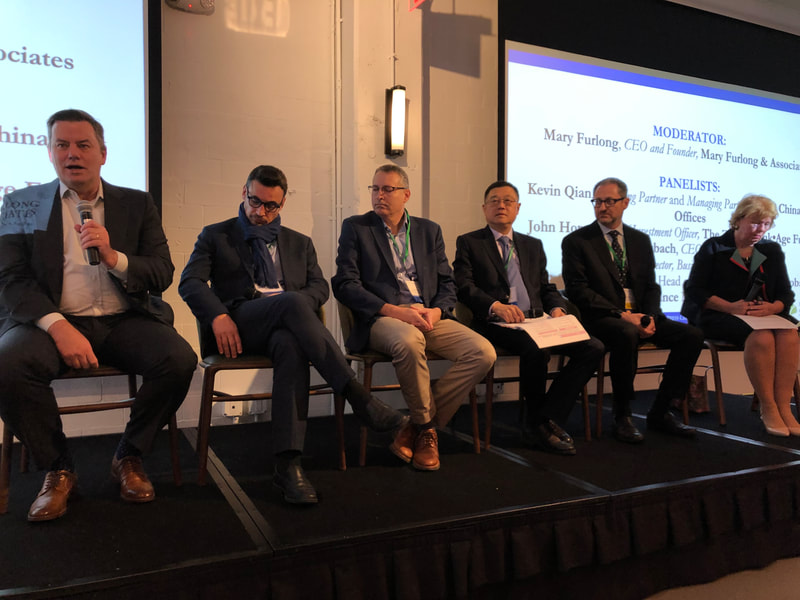
The discussions on senior housing and healthcare in *What’s Next Longevity Deal Talk* highlight how AgeTech innovations are addressing practical challenges faced by older adults and their caregivers. One important concern in assisted living communities is medication adherence, particularly when residents take several prescribed treatments at different times throughout the day. Smart pill dispensers, connected medication organizers, and digital reminder devices can help residents follow their schedules while notifying caregivers when a scheduled dose may have been missed. These technologies can be especially useful during short courses of antibiotics, when following the prescribed dosing schedule is important for effective treatment. Some devices also maintain medication records that healthcare professionals can review, although opening a dispenser does not necessarily confirm that a medicine has been swallowed. As investors and industry leaders explore new opportunities in senior healthcare, medication-monitoring gadgets represent a practical area of innovation that can support safer treatment routines and greater independence for older adults.